Memory Care San Jose at The Rose Garden Elderly Care
Memory support with familiarity and respect — predictable rhythms, calm communication, and questions about supervision. Not a claim of cure or secured dementia-unit outcomes.
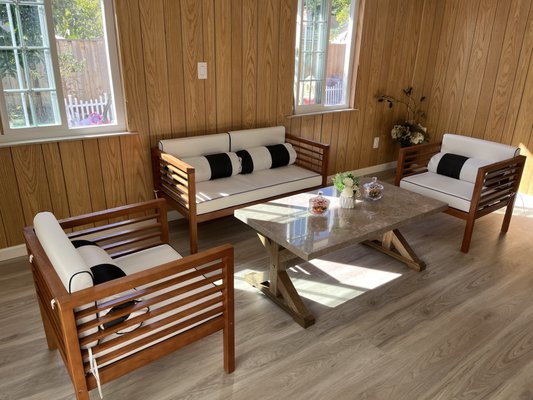
A person-centered memory-care approach
Memory changes can affect routines, communication, judgment, orientation, and safety. A person living with memory loss may still have preferences, relationships, humor, and a strong need for respect.
Helpful practices may include familiar routines, simple choices, calm communication, visual cues, and activities connected to the person’s history. Families can share a life story, favorite songs, meaningful photographs, and what usually calms or upsets the person.
Alzheimer’s and dementia care considerations
Describe actual needs rather than relying only on a diagnosis: recognizing family, toileting help, nighttime wakefulness, distress, exit-seeking, medication safety, and mobility.
Questions to ask about dementia support
- What stages and behaviors does the home currently support?
- How is the person supervised day and night?
- How are changes in cognition, mood, and behavior documented?
- What is the policy for wandering and exit-seeking?
- What happens if needs exceed the home’s scope?
Assisted living versus memory care
Assisted living generally supports daily tasks with more retained independence. Memory care is designed around dementia-related needs and may provide more structured routines and supervision. Terminology varies — compare actual services.
Sample memory-care pricing conversation starter: $6,250/month (call for current rates).